What to Expect During a Heating and Air Conditioning (HVAC) Inspection
What to Expect During a Heating and Air Conditioning (HVAC) Inspection
GABRIEL KASSEBAUM'S WEEKLY REAL ESTATE BLOG
What to Expect During a Heating and Air Conditioning (HVAC) Inspection
Subtitle: 5 Things Every Homebuyer Should Know About the Home's Heating and Cooling Systems
When buying a home, it's easy to get excited about the kitchen, spacious bedrooms, updated bathrooms, and beautiful outdoor spaces. But there's another important part of the property that deserves your attention: the heating, ventilation, and air conditioning system, commonly known as HVAC.
Your HVAC system plays a major role in keeping your home comfortable throughout the year. It helps regulate indoor temperatures, circulates air, and supports proper ventilation. However, just because the heating or air conditioning turns on during a showing doesn't necessarily mean the system is in good condition.
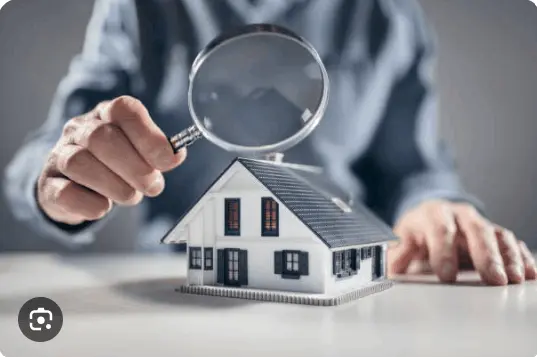
An HVAC inspection can help buyers understand the visible condition and operation of the home's heating and cooling equipment, identify potential concerns, and determine whether additional evaluation may be necessary.
If you're planning to purchase a home in Pinehurst, Southern Pines, Aberdeen, or anywhere in Moore County, here are five things you should know about an HVAC inspection before closing.
1. Understand What an HVAC Inspection Covers
An HVAC inspection is an evaluation of the home's heating and cooling equipment and its readily accessible components.
During a typical home inspection, the inspector may examine:
-
Heating equipment: The furnace, heat pump, or other heating system.
-
Air conditioning equipment: The central air conditioning system or heat pump's cooling function, when conditions permit.
-
Thermostats and controls: Whether the system responds appropriately to normal operating controls.
-
Air distribution: Accessible ductwork, registers, and return-air openings.
-
Filters: The condition and accessibility of air filters.
-
Ventilation and exhaust: Visible ventilation components and related exhaust systems.
-
Condensate drainage: Accessible drain lines and components that remove moisture produced during cooling.
The inspection generally focuses on visible conditions and normal operation using standard controls.
Keep in mind that a general home inspection is not the same as a comprehensive HVAC service appointment. Inspectors typically do not dismantle equipment, perform specialized performance testing, or determine the exact remaining lifespan of a system.
2. Know How Inspectors Check Heating and Cooling Equipment
One of the main purposes of an HVAC inspection is to determine whether the system responds to normal operating controls and appears to function as intended at the time of inspection.
Depending on the equipment and weather conditions, the inspector may:
-
Operate the thermostat to check heating or cooling response.
-
Observe whether the system starts and runs normally.
-
Check accessible electrical disconnects and visible components.
-
Inspect accessible ductwork for visible damage or disconnections.
-
Look for unusual noises, odors, or signs of improper operation.
-
Examine accessible condensate drainage components.
-
Review the visible condition of the outdoor condenser or heat pump unit.
For homes in North Carolina, heat pumps are particularly common. These systems provide both heating and cooling, making their condition important throughout the year.
However, outdoor temperatures and manufacturer recommendations may affect whether an inspector can safely operate certain equipment in every mode. If a system cannot be tested under the conditions present, that limitation should be documented in the inspection report.
3. Recognize Common HVAC Warning Signs
An HVAC system doesn't have to stop working completely to indicate a problem. Sometimes, smaller warning signs can point to maintenance needs or more significant concerns.
Here are some things buyers should pay attention to:
-
Uneven temperatures: Some rooms feel noticeably warmer or cooler than others.
-
Unusual noises: Grinding, rattling, buzzing, or excessive vibration may indicate a problem.
-
Weak airflow: Air coming from registers may feel weaker than expected.
-
Water around equipment: Moisture or leaks near the indoor unit may indicate a drainage issue.
-
Dirty or neglected filters: Poor maintenance can restrict airflow and affect system performance.
-
Visible corrosion or damage: Deterioration around accessible components may require further evaluation.
-
Unusual odors: Burning, musty, or other persistent odors should be investigated.
Not every warning sign means the entire HVAC system needs replacement. Some issues may involve routine maintenance, while others may require repairs by a qualified heating and cooling professional.
The important thing is to understand the cause before making assumptions.
4. Understand the HVAC Inspection Report
After the inspection, the report should help you understand the condition of the accessible HVAC components and identify any concerns that may need attention.
When reviewing the findings, pay attention to:
Age and general condition
Ask whether the equipment appears to be maintained and whether its visible condition raises concerns. Equipment age can provide useful context, but it does not automatically determine how much useful life remains.
Operational concerns
Look for notes about unusual sounds, inconsistent operation, poor airflow, or equipment that did not respond as expected.
Maintenance recommendations
The inspector may identify items such as dirty filters, visible drainage concerns, or components that need routine servicing.
Recommended specialist evaluation
If the inspector identifies a potentially significant issue, an HVAC technician may need to perform additional testing to determine the cause and cost of repairs.
Remember, an inspection report is not a guarantee that the HVAC system will operate without problems in the future. It describes the conditions observed during the inspection.
5. Know What to Do If HVAC Problems Are Found
Discovering an HVAC concern during a home inspection doesn't automatically mean you should walk away from the property.
The next step is to understand the severity of the issue and what it may take to address it.
Here are some practical steps buyers can take:
-
Review the inspection findings. Identify which concerns involve routine maintenance and which may require repairs or further evaluation.
-
Ask questions. Have the inspector explain any findings you don't understand.
-
Schedule a specialist evaluation. If necessary, hire a qualified HVAC contractor to assess the equipment and provide repair or replacement recommendations.
-
Request estimates. Obtain written estimates so you have a clearer idea of potential expenses.
-
Discuss your options with your real estate agent. Depending on the purchase agreement and applicable deadlines, you may be able to negotiate repairs, credits, or other terms with the seller.
In North Carolina, buyers should pay close attention to their due diligence period and other contractual deadlines. Addressing concerns early gives you more time to understand your options before closing.
Your HVAC System Is an Important Part of Your Home Investment
The heating and cooling system is one of the major components that contributes to a home's comfort and everyday functionality. While some issues may be simple maintenance concerns, others can involve costly repairs or equipment replacement.
An HVAC inspection helps buyers understand what is visible and operating at the time of the inspection. It also provides an opportunity to identify concerns that deserve professional attention before completing the purchase.
Whether you're buying a home with a traditional furnace and air conditioner or a heat pump system, understanding its condition can help you plan ahead and avoid unexpected surprises.
MY TAKEAWAY
Don't just check whether the heat and air conditioning turn on. Understand the condition of the system you're buying.
An HVAC inspection can help you identify potential problems, understand maintenance needs, and determine whether additional professional evaluation is necessary.
If concerns appear in the inspection report, don't panic. Ask questions, get the right specialists involved, and understand your options before closing.
A little extra attention now can help you make a more confident decision about your next home.
Recent Posts